What it really means to be a registered Dental Care Professional!
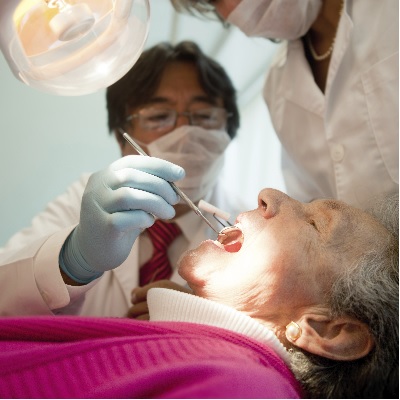
For many years it was if a profession regulated itself, then it was a true profession. Times have changed and these days, it appears that anyone who has a job calls themselves a professional! Sales reps call themselves “professional”. However, in a healthcare setting it tends to revolve around how we behave to our patients and colleagues! But this is not the only way we will be judged. Our own actions OUTSIDE of the workplace may affect our registration!
The General Dental Council and you
The GDC sought to regulate all personnel that work with patients in a dental setting so that any found failing could be prevented from dealing with patients in future. This was thrust upon new registration groups with little or no prior knowledge. It has to be remembered that the GDC has no core function to educate its registrants and the onus falls upon the person who pays the fee to understand its guidance.
In the past, GDC guidance tended to be very descriptive and was essentially a list of do’s and don’ts which only applied to dentists, dental therapists and dental hygienists; but this changed with the introduction of its Standards for Dental Professionals series that now provides much more “fluffy” advice that is open to interpretation in many ways, but is best summed up by using what I have titled “The Big Six”:
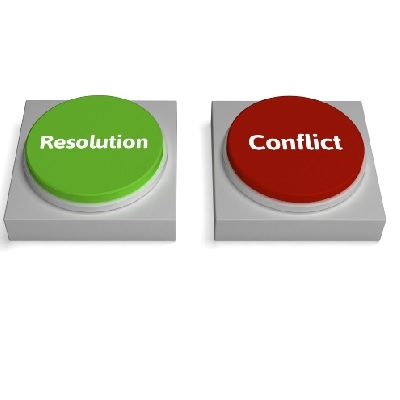
It is these six leading principles that dictate how the whole dental team should work. This list is found in the front of all GDC guidance documents. By applying these principles the GDC has produced a series of documents that we need to utilise in both our working and personal lives; there are statements in the guidance that means the GDC can call a person’s registration into question.Figure 2![]()

Personal Behaviour
We will be judged by not only our patients, but also our peers and colleagues; our behaviour both in and out of practice can and will come under scrutiny and if we are found to transgress the normal standards that would be expected of a registered health professional, we can expect to be brought before our professional body to be assessed whether we are Fit to Practise. This does not just mean the way we act in work, but also in our social lives. We do not have to be angels and all are allowed their privacy, but when in a public setting it may be that you become compromised.Figure 3![]()

Criminal behaviour
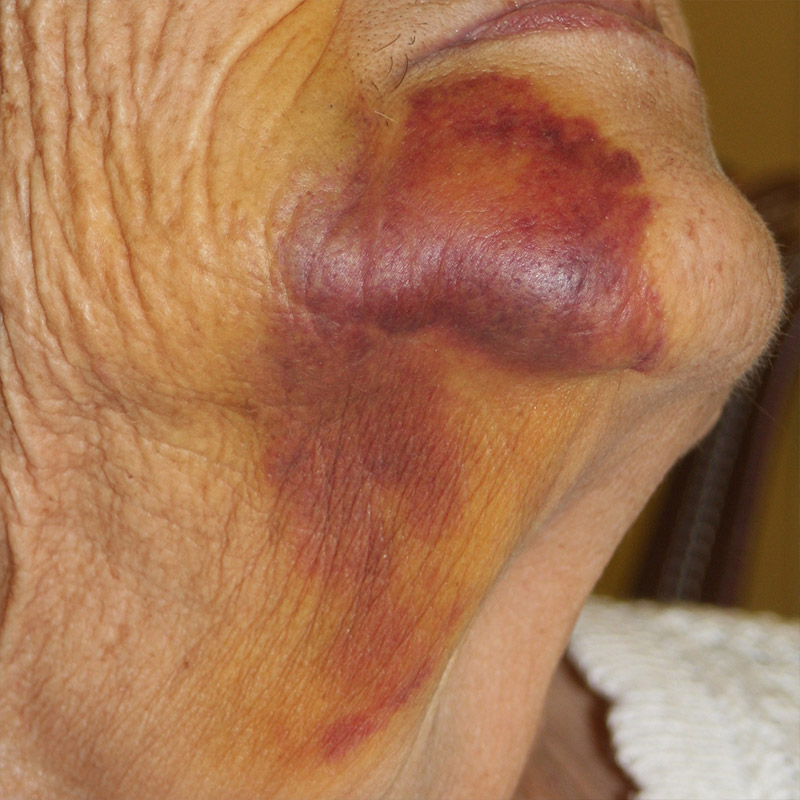
Any form of criminal behaviour that leads to sanction will attract the attention of the regulator and this can include police cautions. The reference given is a little dated and it should be pointed out that it relates now to any registered dental professional. Any convictions or cautions for violence, fraud or of a sexual nature will certainly result in a GDC hearing that the registrant can expect the harshest sanction available to that Committee.Figure 4![]()
Social Networking
The rise of social networking can lead to problems for registered dental professionals. If users are allowed to access pictures or personal information, it may be that patients can look at potentially embarrassing photographs of work colleagues on a night out, or perhaps you are just feeling disgruntled about work. This kind of behaviour is best avoided and registrants should be very careful about accepting patient’s requests to become “friends” on such forums. You should think before you post as they may get you into more trouble than you think. That innocent enough picture from a night out may be funny amongst close friends and colleagues but may cost you and your colleague embarrassment.Figure 5![]()
The GDC Professional Conduct Committee
The PCC sit to hear conduct cases when a registrant’s conduct has been brought into question and the GDC feels the registrants Fitness to Practise is impaired. The Committee is a quasi-judicial board that is both judge and jury at a hearing and is made up from a panel (the Fitness to Practise Panel, FTP) of some 122 dentists, dental care professionals and lay people and sits most days of the year (there is a break in August and at Christmas) and there may be up to five Committees sitting at various venues at any one time. The Committees can consist of 5 members of the FTP or as few as three. There will always be at least one dental member on any Committee and they are assisted by a legal assessor who advises on points of law.
The Committees hear cases in the same format as courts, insomuch there is a defence and prosecution and as is common in English law, the defence always has the last word. The standard for a finding is the Civil standard, that is, the evidence is found in the balance of probabilities. This means that the Committee only has to “feel” that a series of events took place and does not have to have it proven “beyond reasonable doubt”.
The following are the sanctions available to the Committee:
- Conclude that the registrant’s Fitness to Practise is not impaired and close the case
- Issue a reprimand
- Impose conditions for up to 36 months (immediate conditions can be applied if required)
- Suspend the registrant for up to 12 months (with or without a review) (immediate suspension if required)
- Erase the registrant from the Register
There are other Committees that look at various other things and this includes the Health Committee and Interim Orders Committee, but these take some explanation and more can be found at www.gdc-uk.org
Summary
It is important to remember that your actions both in and out of practice may attract the attention of the regulator.
This does not me you have to live the life of a monk/nun, but does mean that you perhaps need to think twice before your acts or omissions get you into trouble and you end up losing your chosen career.
There are currently no comments.


Article has been viewed 1982 times
- After reading this article, the reader should be able to:
- explain the nature of professionalism as it relates to dental care professionals.